
Why Interviews, Making-of Videos, and Bonus Content Are Separated From the Main Content Page
Interviews, behind-the-scenes footage, bloopers, and production diaries are often placed outside a film, article, or main video page. The reason is usually practical: each asset serves a different audience need and may deserve its own title, description, access rules, analytics, and viewing experience.
There is no universal rule from Google, YouTube, Netflix, or Apple requiring every bonus video to have a separate page. Placing several videos together also does not automatically damage rankings, watch time, or bounce rate.
Separation becomes useful when a bonus video is substantial enough to function as an independent viewing destination. Short clips that directly explain the main content can remain embedded on the primary page. Longer interviews or making-of documentaries may work better on dedicated watch pages linked from a clearly organized bonus section.
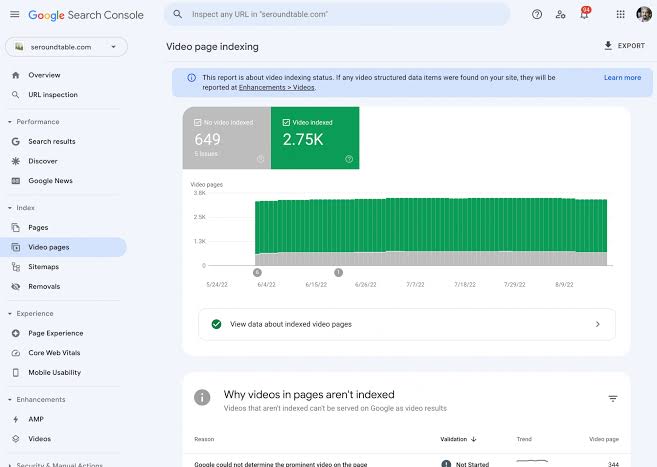
Why Does Google Flag “Video Is Not the Main Content of the Page” When You Embed Interviews and Behind-the-Scenes Clips on the Primary Page?
Google distinguishes between a watch page and a page on which video plays only a supporting role. A watch page exists primarily so that visitors can watch one particular video. Google’s examples include episode-player pages, sports highlight pages, and individual video landing pages. Blog posts with complementary videos and category pages listing several equally prominent videos are not considered watch pages.
The Search Console status “Video is not the main content of the page” means Google did not treat the URL as a watch page for video indexing. It does not mean that the entire webpage is blocked from Google Search. A non-watch page may still appear as a normal text result or as an image result carrying a video badge.
Google does not publish a pixel-based formula for determining whether a video is prominent enough.
When a page contains one main film, several interviews, a photo gallery, a long article, and multiple promotional sections, the primary reason for visiting the page may no longer be watching one specific video.
Algorithm Signal Noise: Multiple embeds do not automatically confuse Googlebot. The issue is whether the page has one identifiable primary video and whether watching it is the page’s main purpose.
“Video is not the main content of the page” Indexing Error: This is better described as a video-indexing status or reason. The page itself can remain indexed even when its embedded videos are not eligible for dedicated video features.
Lost SERP Real Estate: A substantial interview can receive its own watch page when it offers independent value. Google recommends a unique title and description for each dedicated video page. Creating separate thin pages for every minor clip, however, does not guarantee additional rankings and may produce a poor site experience.
Will Publishing Short Interview Clips Alongside the Main Video Trigger YouTube’s “Reused Content” Penalty?
Publishing an excerpt from your own original interview does not automatically violate YouTube’s reused-content policy.
YouTube currently separates two monetization concerns. Reused content covers material already available online when a channel does not add enough original commentary, modification, or value. “Inauthentic content,” previously called repetitious content, covers repetitive or mass-produced material that provides little meaningful variation across videos. These policies are evaluated at the channel level rather than through a simple rule that flags every excerpt from a longer video.
When You Get Penalized: Risk increases when a channel repeatedly uploads nearly identical edits, automated variations, or clips that make it difficult to distinguish one video from another. A new title, thumbnail, subtitle style, or intro alone does not necessarily turn a duplicate upload into meaningfully different content.
When It Is Allowed (Proper Separation): A focused interview excerpt can stand on its own when it has a clear subject, coherent editing, sufficient context, and a reason for viewers to watch it separately from the full interview.
Useful changes may include:
- Removing unrelated sections rather than merely cropping the opening and ending
- Adding necessary context or updated commentary
- Organizing the clip around one complete question or issue
- Correcting captions and identifying speakers
- Linking viewers to the full interview for the broader discussion
YouTube Chapters, Cards, and End Screens can improve navigation, but using those features does not by itself determine whether a channel satisfies monetization policies.
Benefits of Separating Bonus Content for User Experience (UX) and Media Asset Management (MAM)
1. User Experience (UX) Optimization
Reducing Cognitive Load: A visitor arriving to watch the primary film should be able to identify the main player immediately. Bonus material can appear below it, inside a clearly labeled collection, or through links to dedicated pages.
Several videos can remain on one page when they are directly relevant and logically ordered. The problem is not the number of embeds alone but whether the layout makes the intended viewing path unclear.
Preventing Plot Spoilers: Interviews, deleted scenes, trailers, and visual-effects breakdowns may reveal events that the main work has not yet shown. Separate labels and spoiler warnings allow users to decide when to open them.
Accurate Metric Tracking: Dedicated URLs make it easier to compare page visits, video starts, completion behavior, and referral sources for each asset. Separate pages do not automatically improve average viewing duration; they simply make asset-level analysis clearer.
2. Media Asset Management (MAM)
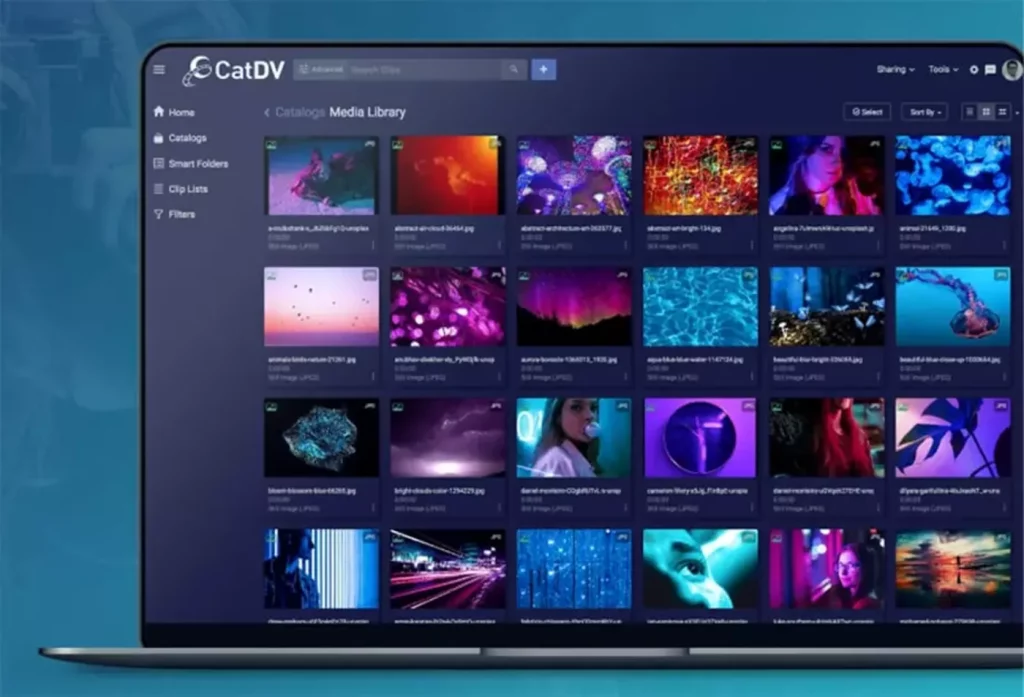
A structured media library can distinguish the master program from interviews, alternate cuts, captions, trailers, and social edits.
This separation supports:
- Rights and expiration-date tracking
- Version control
- Subtitle and language management
- Approval status
- Reuse in press, social, and promotional campaigns
- Replacement of one asset without changing the complete project
Separating videos can also prevent unnecessary players from loading on the primary page. Actual bandwidth and performance gains depend on the player, preload settings, thumbnails, lazy-loading method, caching, and CDN configuration. Moving files into another folder does not reduce delivery costs by itself.
How to Implement JSON-LD Schema (VideoObject) to Help Google Correctly Identify Secondary Videos
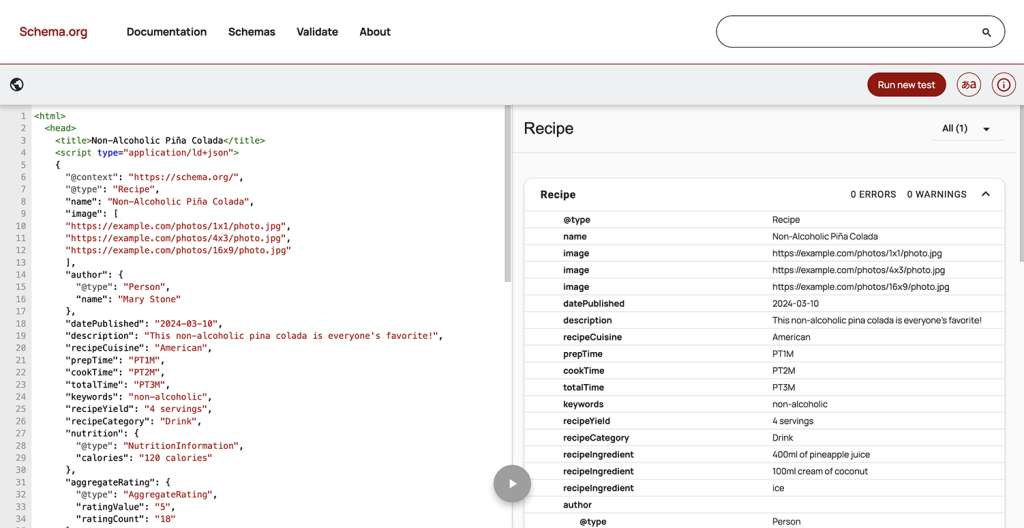
Add VideoObject structured data to a page where visitors can actually watch the video. Google requires properties such as the video name, thumbnail URL, and upload date for video-feature eligibility. A description, duration, and either contentUrl or embedUrl provide additional useful information. Structured data can help Google understand a video, but it does not guarantee indexing or a rich result.
Standard JSON-LD Code Structure for a Standalone Bonus/Interview Page:
{
  "@context": "https://schema.org",
  "@type": "VideoObject",
  "name": "Director Interview: Visual Effects and CGI in Film X",
  "description": "An interview with the director about the visual-effects production process for Film X.",
  "thumbnailUrl": [
    "https://example.com/thumbnails/interview-16x9.jpg"
  ],
  "uploadDate": "2026-03-15T08:00:00+07:00",
  "duration": "PT8M30S",
  "contentUrl": "https://example.com/videos/interview-behind-the-scenes.mp4",
  "embedUrl": "https://example.com/embed/interview-behind-the-scenes",
  "mainEntityOfPage": {
    "@type": "WebPage",
    "@id": "https://example.com/film-x/director-interview/"
  },
  "isPartOf": {
    "@type": "WebPage",
    "@id": "https://example.com/film-x/",
    "name": "Film X Main Content Hub"
  }
}
Technical Note:
The isPartOf property is a general Schema.org relationship available to creative works. It can describe a connection between the interview and a broader project page, but Google does not list it as a required VideoObject property for video search features. It does not independently tell Google that the video should be indexed or ranked as a separate result. stable thumbnail, player, and media URLs where possible. Google warns that frequently changing URLs can interfere with video discovery and processing.
Best Practices for Scientific Folder Taxonomy and File Naming Conventions for Bonus Content
1. Standard Folder Taxonomy
/media/
└── /projects/
    └── /2026-project-x/
        ├── /master/
        │   └── project-x-main-video.mp4
        ├── /interviews/
        │   ├── project-x-interview-director.mp4
        │   └── project-x-interview-lead-actor.mp4
        └── /behind-the-scenes/
            ├── project-x-bts-vfx-breakdown.mp4
            └── project-x-bts-stunt-coordination.mp4
This is an internal organizational example, not a search-engine requirement. A production team may also need folders or metadata fields for audio masters, captions, legal clearances, thumbnails, proxy files, and approved exports.
2. File Naming Convention
[Project Name]_[Content Type]_[Specific Topic]_[Date/Version].[ext]
Correct Example: ProjectX_Interview_Director-VFX-Breakdown_v1.mp4
Incorrect Example (Avoid): interview.mp4, video1.mp4, final_final_v2.mp4
Consistent file names help production teams locate assets, distinguish versions, and avoid publishing an unfinished export. The naming system should remain simple enough for editors, developers, and content managers to apply consistently.
File names alone do not improve video rankings. Public video indexing depends more on the watch page, accessible player, stable media URLs, visible title and description, thumbnail availability, and structured data that accurately matches the video shown on the page.
When deciding where to publish an asset, consider its role in the viewing experience. A short clip that directly explains the main content can remain embedded on the primary page. A substantial interview, production documentary, or bonus feature may deserve a separate watch page when users are likely to search for and watch it independently.
Pro Tips for Turning 1 Master Interview into a Multi-Channel Content Waterfall Without Boring Your Audience
A content waterfall is an editorial planning method, not a fixed algorithmic formula.
   [1 Master Interview Video]
                │
     ┌──────────┼──────────┐
     ▼          ▼          ▼
[Website]   [YouTube]   [Micro Clips]
- Transcript - Topic edits - Shorts/Reels
- Photos     - Chapters    - Key quotes
- Main embed - Full source - Captions
Website / Blog: Publish an edited transcript, supporting photographs, and one primary video when the article is the main content. Link substantial interviews or making-of films to their own watch pages.
YouTube Main Channel: Create focused topic edits only when each version offers a complete and distinguishable viewing experience. Do not rely on minor cosmetic changes to make repeated uploads appear original.
Shorts / Reels / TikTok: Select moments that make sense without misleading viewers or removing necessary context. Clip length should follow the story and current platform requirements rather than an assumed universal 60-second rule.
Comparison Matrix: When SHOULD You Combine Content and When MUST You Separate It?
| Assessment Criteria | COMBINE into Primary Page | SEPARATE into Standalone Pages/Tabs |
|---|---|---|
| Bonus Video Duration | Short or long content that directly supports the main page and does not interrupt its purpose | Substantial material that users may intentionally search for or watch independently |
| SEO Objective | The written article, product, or project hub is the primary search destination | Watching the individual video is the main reason for visiting the URL |
| Content Relevance | Directly explains, demonstrates, or documents the main content | Provides optional interviews, production details, alternate versions, or separate topics |
| Access Rights | Uses the same public access and rights conditions as the primary page | Requires separate membership, regional, age, licensing, or release controls |
| UI Complexity | The primary content remains obvious and page performance is acceptable | Bonus players overwhelm the layout or make the main viewing path unclear |
Tabs are not automatically separate pages. If a tab loads the only copy of a primary video only after a user clicks it, Google may not fetch that content. Google advises against requiring user interaction to load primary content and recommends placing important videos where they are easy to find, especially on mobile.
Separating interviews, making-of videos, and bonus content can improve navigation, asset management, analytics, and eligibility for dedicated video search features. It is not a universal requirement.
Algorithm Compliance (Google & YouTube): A dedicated watch page can make an independently valuable video eligible for Google’s video features. Publishing original interview excerpts does not automatically violate YouTube’s reused-content rules, although repetitive or mass-produced channels may face monetization problems.
UX & Engagement Optimization: Separation works when bonus material distracts from the main experience, creates spoilers, or serves a different viewing intent. Directly relevant supporting clips can remain on the primary page.
Scalable Data Management: Clear metadata, versions, rights information, and stable asset relationships matter more than creating a separate folder or URL for every small clip.
Actionable Next Step: Audit each media page by asking one question: What is the primary reason a visitor opens this URL? Keep supporting clips together when they strengthen that purpose. Create a standalone watch page when the interview or bonus video provides enough independent value to deserve its own title, description, transcript, analytics, and viewing destination.